

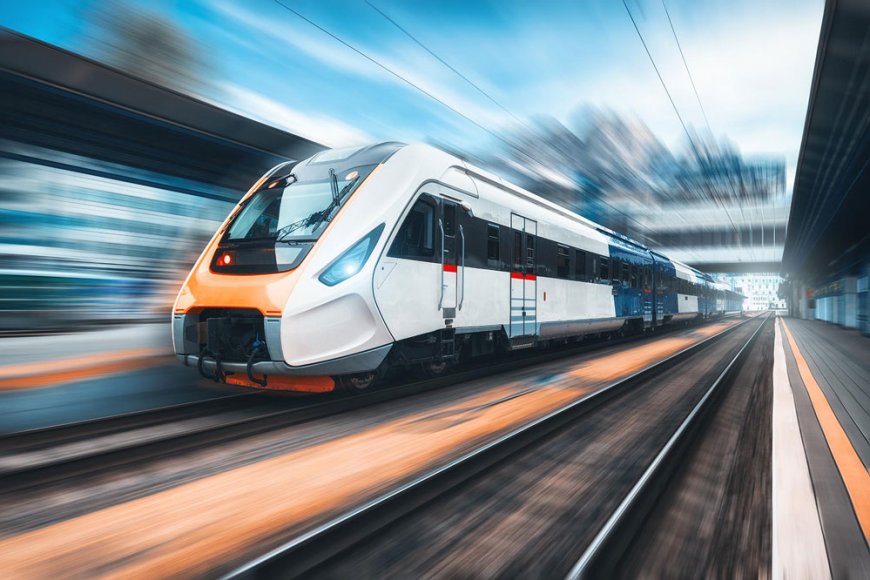
India’s railways are going through one of the most visible transformations in their history. Faster trains, safer signalling, dedicated freight routes, and expanding metro networks are changing how people and goods move. These developments naturally influence how investors see the IRFC Share Price, since modernisation requires large-scale funding. They also shape the way market participants view the RVNL Share Price, because new projects translate into potential work for executing companies. Understanding the major themes behind this transformation can improve your perspective on the sector.
High-Speed and Semi-High-Speed Services
Modern semi-high-speed trains have captured imaginations with their comfort, speed, and improved amenities. Every new service needs coaches, upgraded tracks, and more.
For the ecosystem, it means sustained demand for manufacturing, maintenance facilities, and track upgrades. Investors looking to profit from this have to size up how fast such plans can get off the ground, since timelines dictate when the cash will reach the companies involved.
Safety and Signalling Upgrades
Safety is a national priority, and indigenous collision-avoidance tech, advanced signalling and interlocking systems are being rolled out to cut down on accidents and improve efficiency.
These are technically challenging projects, sometimes spread out over multiple phases, which opens up opportunities for specialised firms and contractors, but at the same time demand a high degree of quality control. Repeated wins in this area could help companies establish themselves as reliable bidders for similar jobs in the future.
Freight Corridors and Logistics Efficiency
Dedicated freight routes seek to carve out a space for moving cargo away from passenger services, speeding things up for goods transportation. Efficient logistics chains mean lower costs for industries and help with exports and domestic sales.
For investors, the freight theme is all about linking railways with manufacturing, warehousing, and ports. Anything that improves connectivity has the potential to boost ancillary industries, giving indirect exposure to the railway sector.
Electrification and Green Mobility
The push for going fully electric cuts down on reliance on imported fuel and helps lower emissions. Electrification on a national scale means lots of projects involving overhead equipment, substations, and power supply contracts that can keep many bidders busy.
Meanwhile, urban metro systems are set to boom in multiple cities, as a way to cut down traffic congestion. These are capital-intensive, long-drawn projects that can offer executors a steady stream of work, if the funding and clearances come through smoothly.
Station Redevelopment and Passenger Experience
There are hundreds of stations currently undergoing redevelopment to offer modern amenities and better accessibility, and tie into other modes of transport. It involves construction, electrical work, and commercial fit-outs.
While it may not be as sexy as new trains, it offers plenty of opportunities for bidders and has a direct impact on day-to-day commuting for millions of people.
Translating Progress into Investment Decisions
While the national narrative is one of optimism, investors have to tread carefully. Announcements do not always translate into execution speed, and public sector projects have a tendency to get bogged down in red tape and budgetary hurdles, affecting timelines. Stocks tend to rise on expectations of profits well before the actual numbers come in.
Focus on fundamentals like contracts awarded, project completions, receivable cycles, and profit margins, and look to diversify across themes, as a way to hedge against project delays and budget overruns. India’s rail modernisation story is set to play out over several years, and patient investors who do their due diligence ahead of time can reap rich rewards. This article is for informational purposes only and should not be construed as an investment advisory; please consult a SEBI-registered advisor before investing.

